I saw this image once while mindlessly surfing online and could never find it again. It said, “Please go up the stairs to the 2nd floor to ask for the elevator to be turned on for use.” So if you were someone who needed to actually use the elevator because you could not use the stairs to get up or down, this was a barrier that meant you were stuck. I am not sure why they had to set this up like this but I am sure they were not aware of how this could stop some people from being able to get to where they need to be.
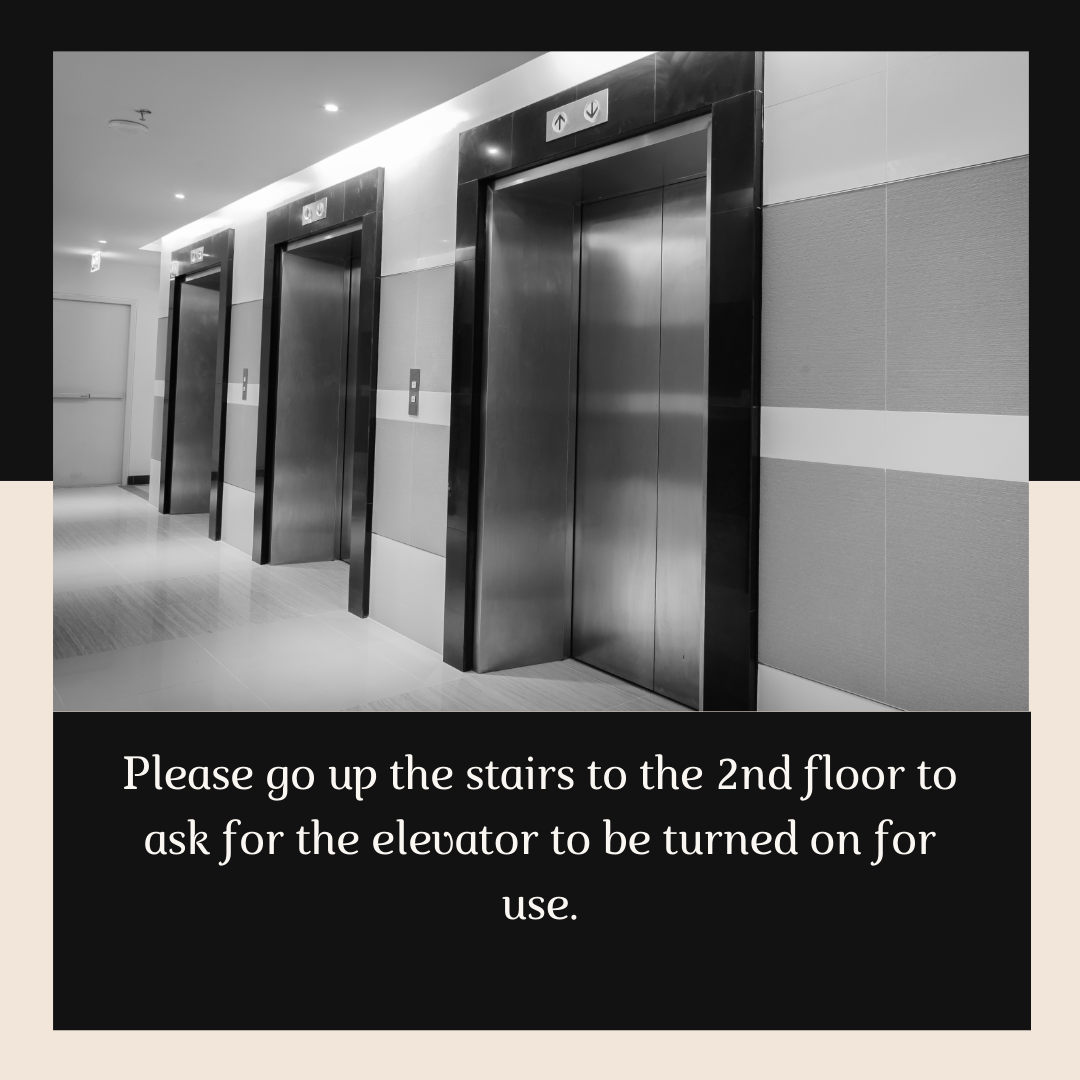
There are things in our environment that may not be barriers for everyone but are definitely barriers for some. The same could be said for our classrooms. Through how we design everything in your classrooms from the physical space to the instruction and assessment, there may be barriers created for some of our learners that we are just not aware of until someone points them out.
A teacher who is very comfortable reading printed text may not be aware of how a struggling reader, someone with a form of Dyslexia, someone with a vision impairment, or someone who is not very proficient in English may not be able to handle that piece of printed text as well as another. This could be a big barrier to their success if we only used printed text instead of accessible digital text that can be used with a translation tool, a text-to-speech tool, a tool that can adjust the font for greater readability, a tool that can simplify wording and offer quick definitions.
A teacher who relies heavily on class discussions as part of their instructional design may not be aware of how a student with high social anxiety, a student with a hearing impairment, or students who are just not engaged when it comes to class discussions, can be facing barriers to their success. Offering other ways to be engaged in the learning without having to speak out loud, having information available in different formats including text, and ensuring that the people who are speaking are using the microphone for a classroom sound amplification system are all ways that we can improve the instructional design and remove barriers.
There are many examples that could be used for this but the big thing is to put yourself in your students’ chairs and be open to seeing what barriers may be present that you are not aware of but can remove. I spent many hours after school in my early years of teaching, and continue to this day, sitting in the chairs of the learners so I could think about how the day went for them. I would pick individual students and try to see the day as they saw it, try to understand how they experienced the learning and to figure out ways to make it more accommodating for all learners. I still do this today but with teachers after our professional learning whether at school or at conferences.
What barriers are you not aware of right now and how can you become aware so that you can remove them?

